Dr. Jennifer Parker Porter offers over 25 years of experience and expert care to patients in need of rhinoplasty in Maryland.
Open House Nov. 18th - Complimentary Surgical Consultations - RSVP HERE!

Dr. Jennifer Parker Porter offers over 25 years of experience and expert care to patients in need of rhinoplasty in Maryland.

Open House Nov. 18th - Complimentary Surgical Consultations - RSVP HERE!
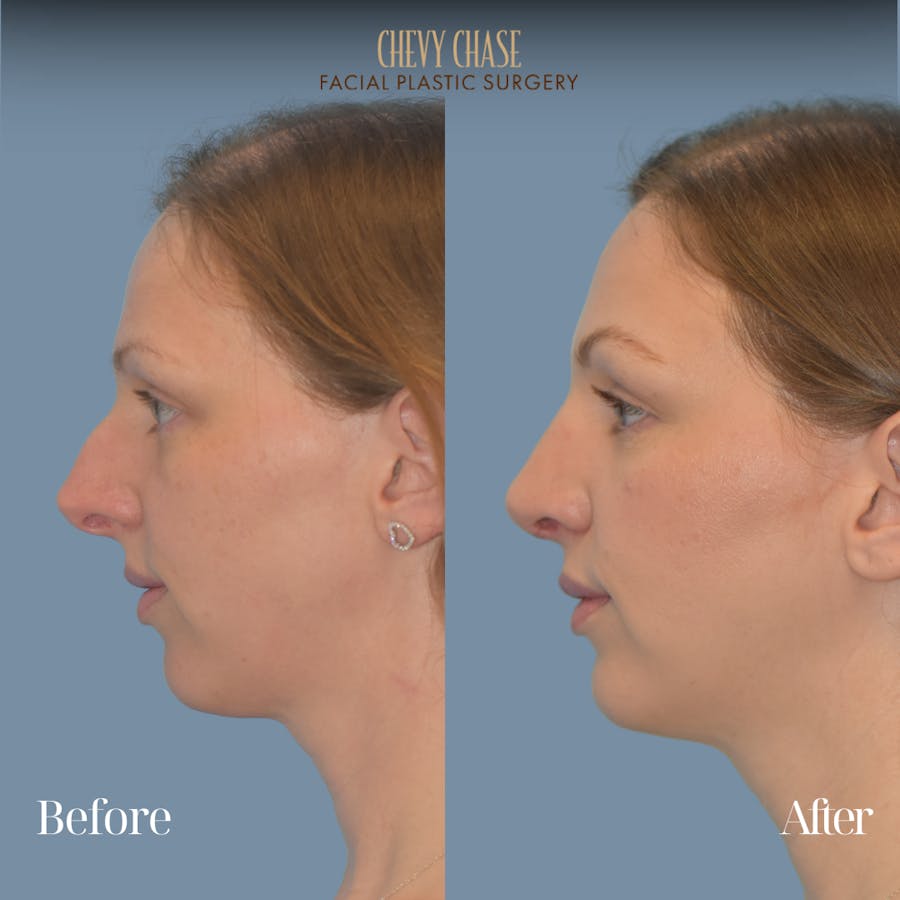
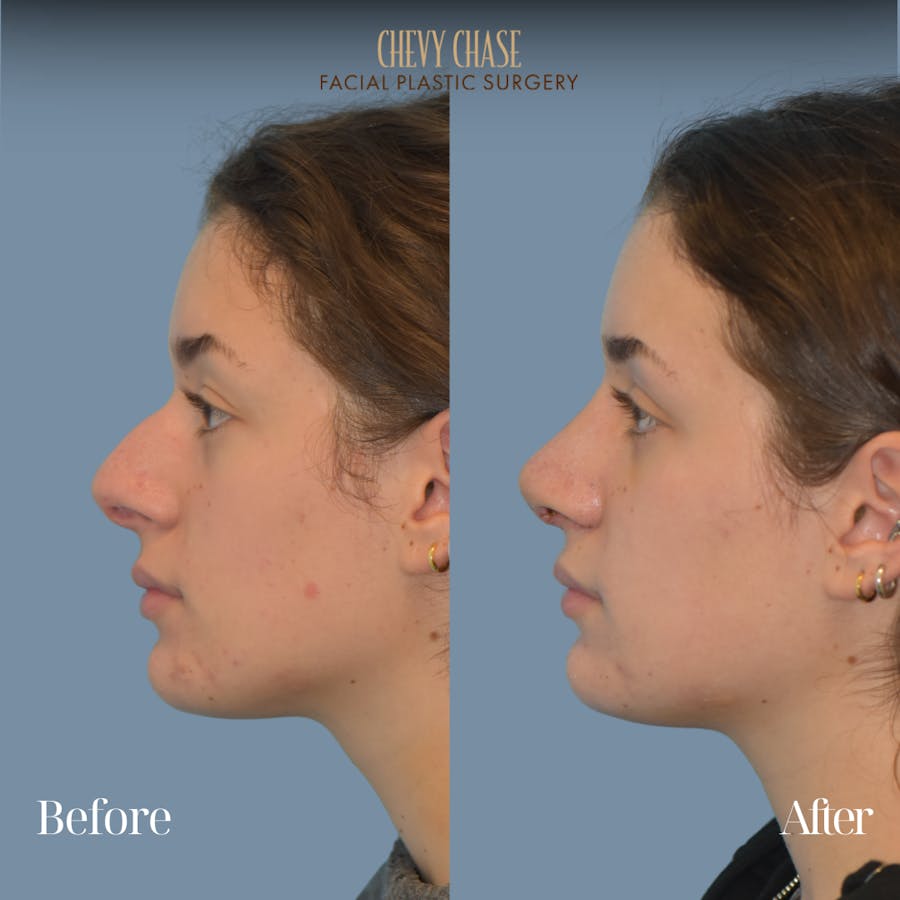
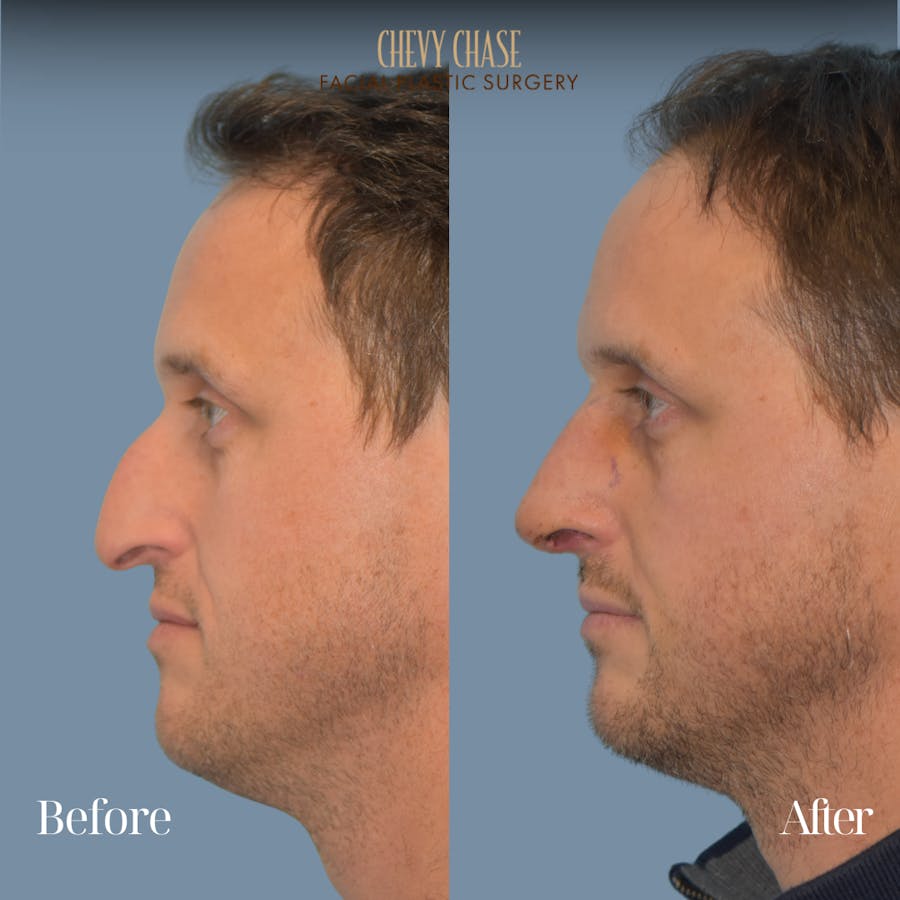
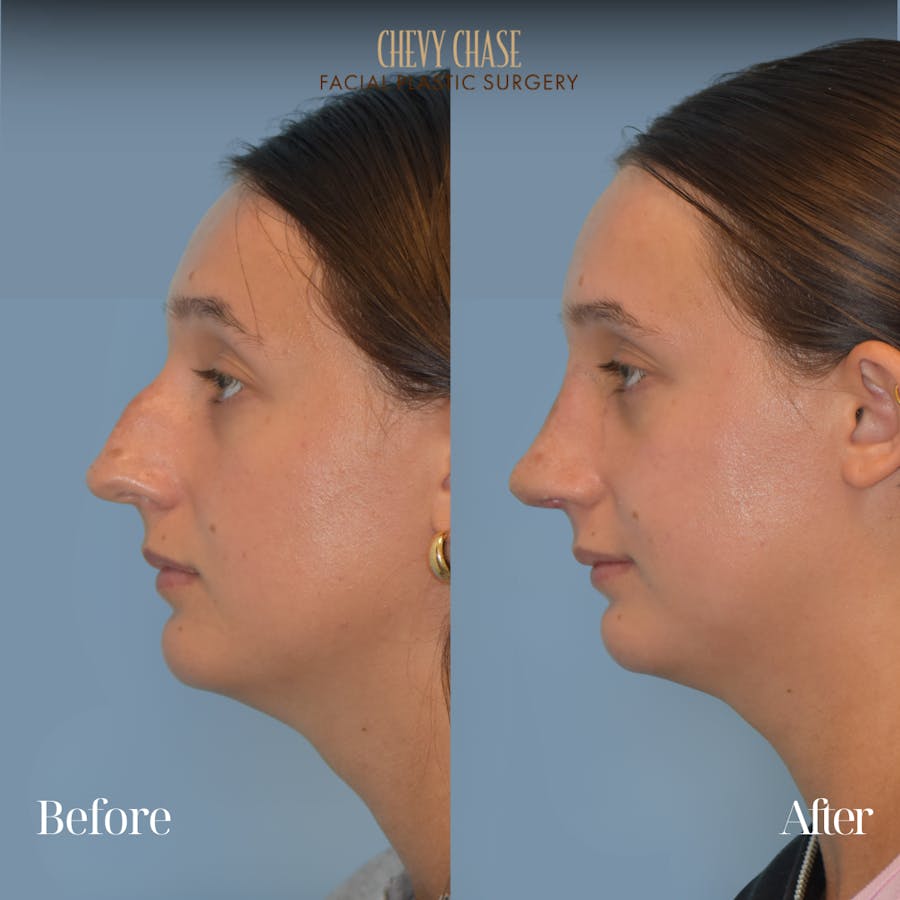
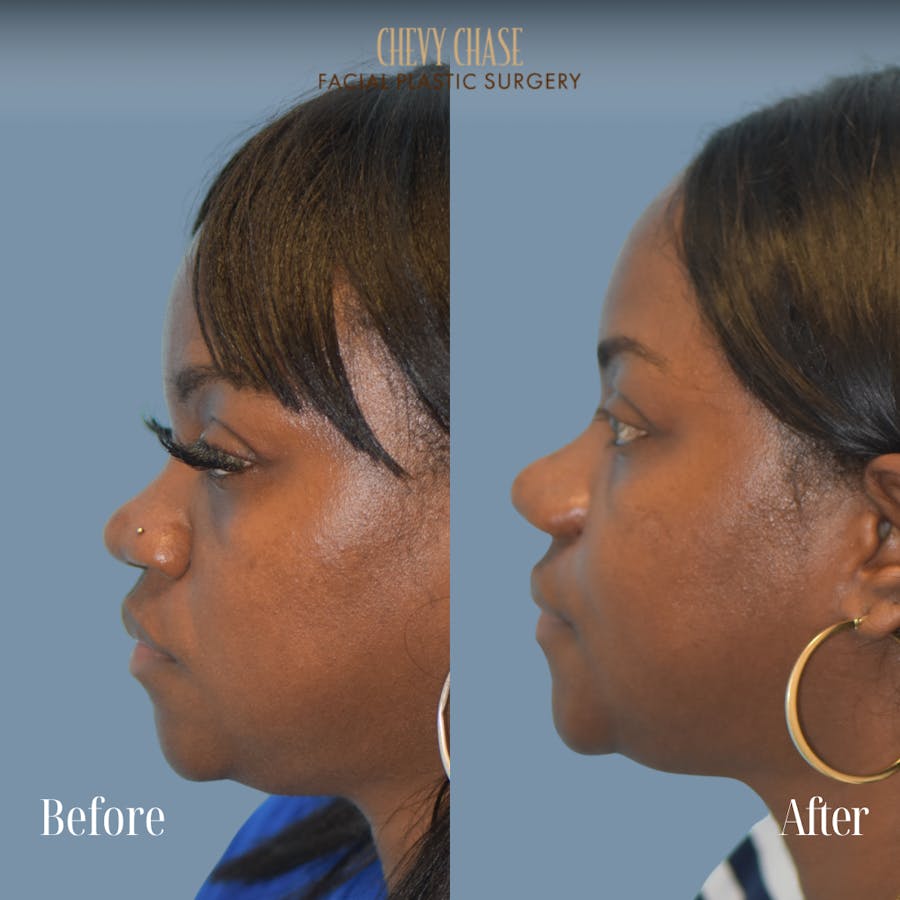
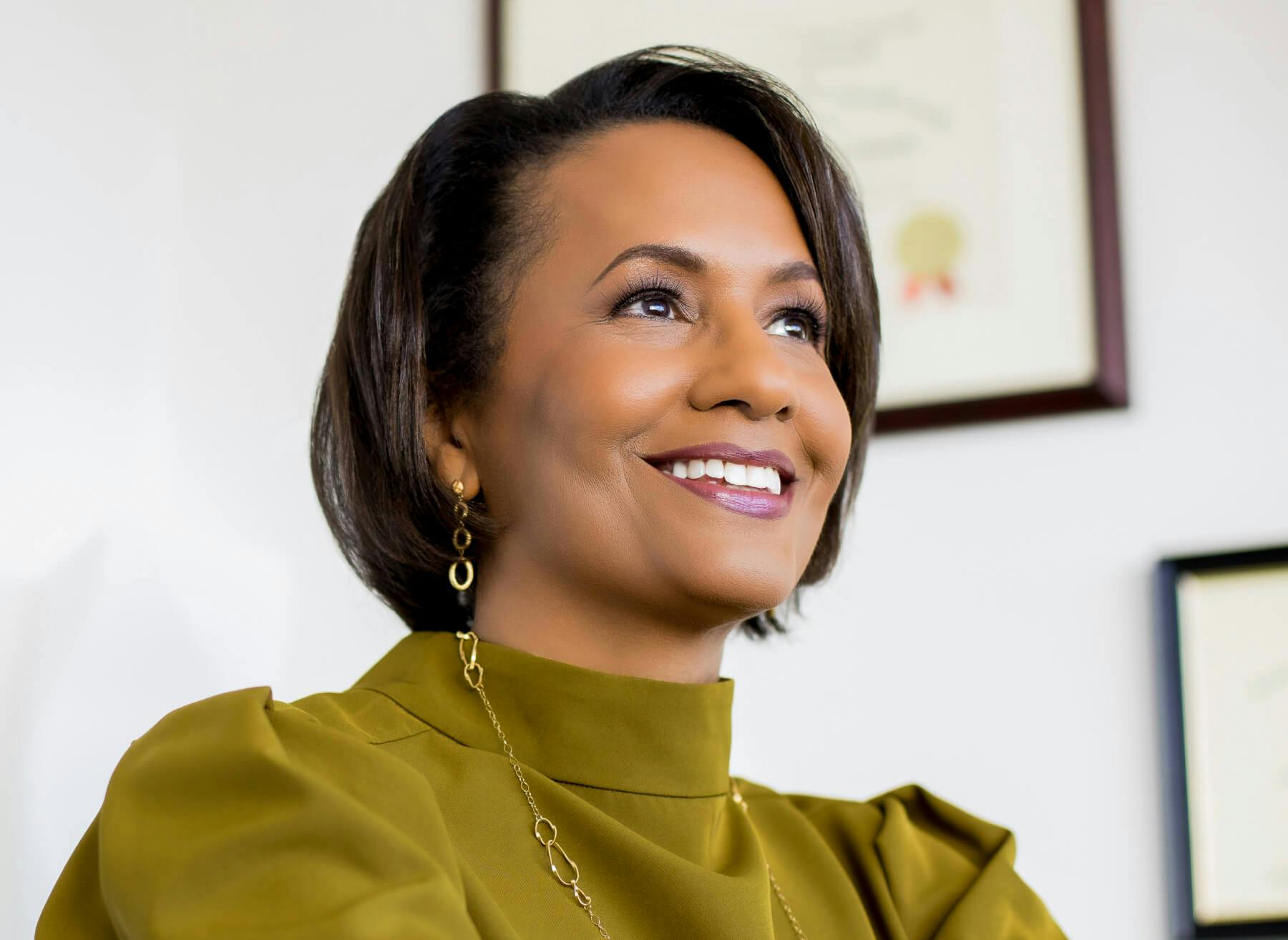
Dr. Jennifer Parker Porter, MD, FACS is a fellowship-trained, double board-certified facial plastic surgeon, which means she only performs plastic surgery of the face. She has dedicated her career to mastering the intricacies of rhinoplasty, a complex procedure that changes the aesthetic appearance of the nose. In addition to extensive training and technical expertise, Dr. Porter also offers patients a keenly developed artistic sensibility, enabling her to create truly pleasing results that will enhance their sense of facial harmony.
As with every procedure performed at Chevy Chase Facial Plastic Surgery, Dr. Porter believes that you deserve an individualized approach to your rhinoplasty in Maryland. You’ll enjoy a bespoke treatment plan that is based on your individual needs. By customizing the operation to fit your goals, she will be able to provide the very best results while minimizing your risk of complications.








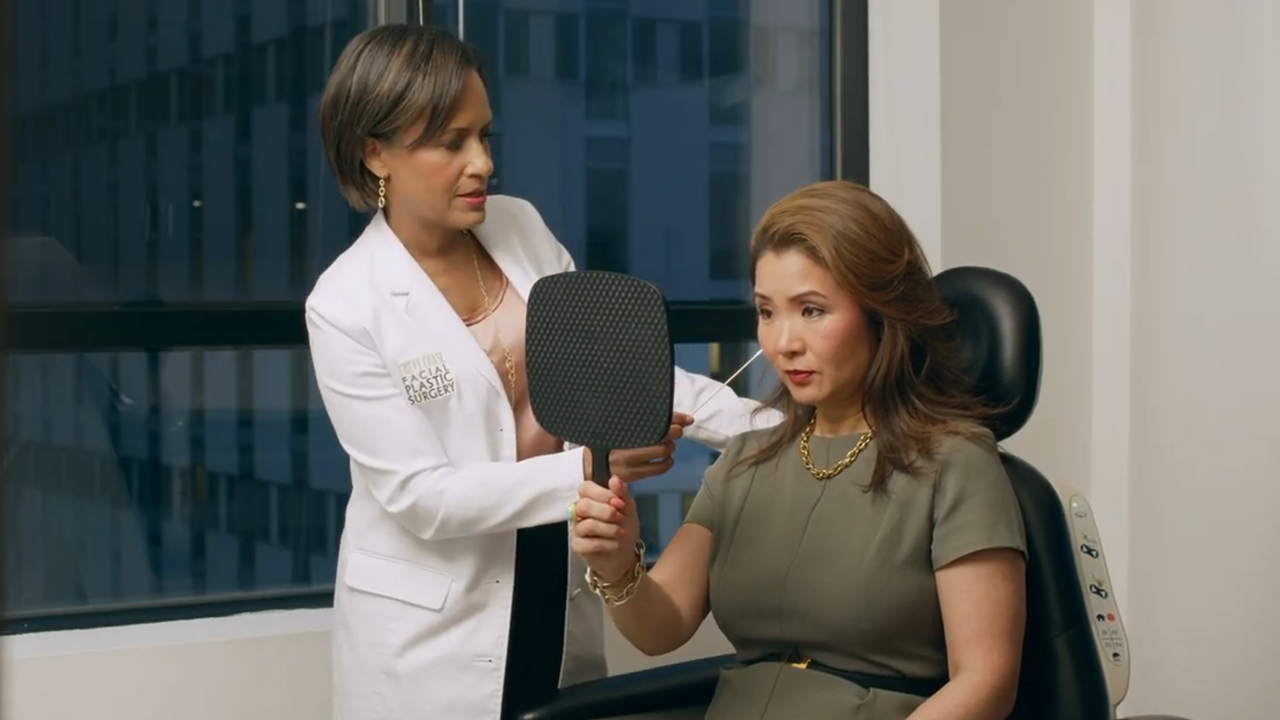
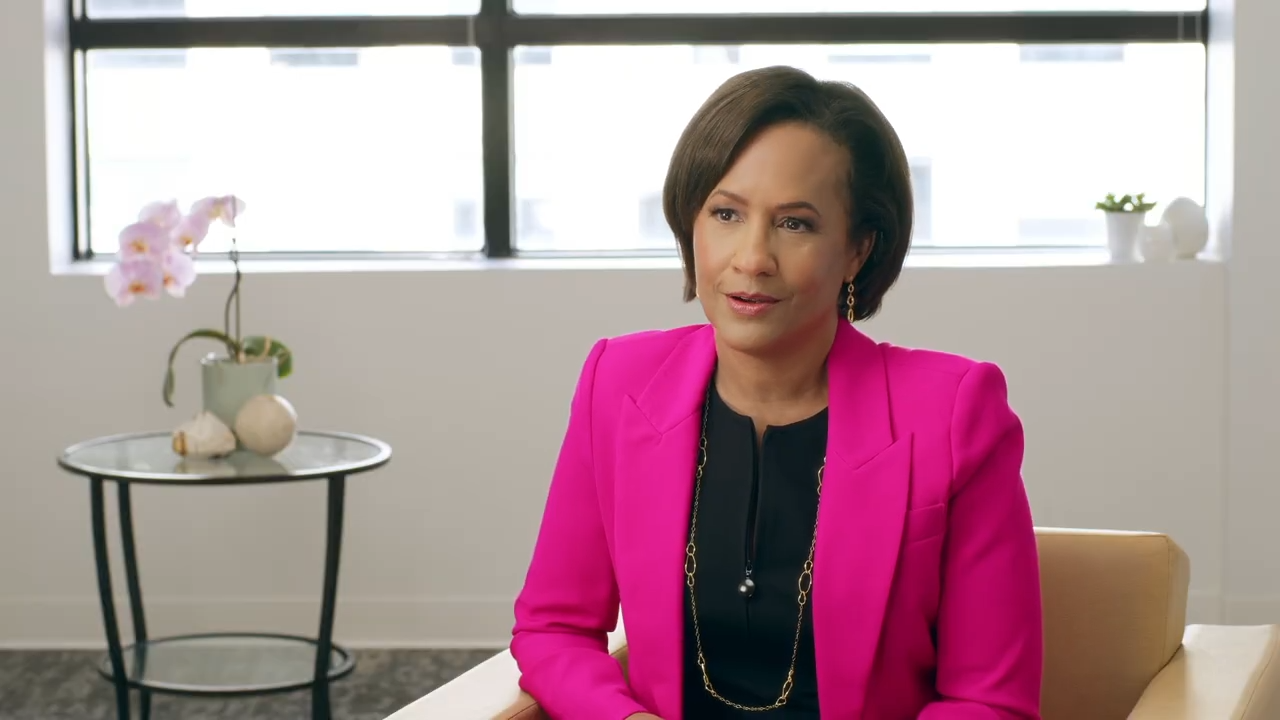

Considering rhinoplasty? Watch this informative webinar hosted by Dr. Jennifer Parker Porter, a double board-certified facial plastic surgeon, as she shares her expert approach to rhinoplasty. Dr. Porter walks you through her surgical philosophy, the techniques she uses to achieve natural results, what to expect during recovery, and answers some of the most frequently asked questions.

As responsible practitioners, the team at Chevy Chase Facial Plastic Surgery wants to ensure that you get the care you need. We encourage you to start your experience by contacting our office, discussing your concerns and goals, and getting information about the type of improvement rhinoplasty can offer you. While our practice does not take insurance, we can give you the codes to use with your insurer should a portion of the surgery be functional.
The next step is an initial consultation with Dr. Porter, who will go over your medical history, examine your face and nose, and review digital photographs with you. Most of our patients are excited about this part of the process. Our surgeons will use sophisticated MIRROR® imaging technology to show you what you can expect from your results. As part of treatment planning, she will also aim to create a look that respects your cultural heritage and aesthetic individuality.

Dr. Porter conducts her rhinoplasty procedures at the John Hopkins Surgery Center in Bethesda, SurgCenter of Silver Spring in downtown Silver Spring, Montgomery Surgery Center in Rockville, and at Georgetown University Hospital in Washington, DC. Most of our patients receive general anesthesia so that they can sleep through the entire experience.

The techniques that Dr. Porter uses during your rhinoplasty will depend on your needs and goals:


What are the functional benefits of rhinoplasty?
What is the difference between functional and cosmetic rhinoplasty?
What is the difference between open rhinoplasty and closed rhinoplasty?
What should I expect from the surgery?
How will my nose job procedure be performed?
How does the computer mirror® imaging system work?
How long is the recovery period following a rhinoplasty procedure?
When will I enjoy my final results?
How does rhinoplasty differ for patients from different ethnic backgrounds?
Rhinoplasty is about more than just your cosmetic appearance. Rhinoplasty can be performed in conjunction with functional techniques. There are a number of functional benefits incorporated with rhinoplasty patients and beyond. For example, many patients have trouble breathing through their noses because of a defect in their nasal valves. These valves might have narrowed due to old age or trauma, or a person could have been born with narrower-than-usual nasal valves. Whatever the case, this limits the flow of air to the lungs, preventing the person from taking a full breath through their nose. During a rhinoplasty, Dr. Porter can help to open up these airways through grafting techniques and repairing cartilage in the nose.
Functional rhinoplasty can provide patients with some of the following benefits:
Functional rhinoplasty differs from cosmetic rhinoplasty because these functional improvements are the main goal of the treatment. Cosmetic rhinoplasty, on the other hand, is done solely to increase a person’s aesthetic appearance. In many cases, those who seek functional rhinoplasty may also see a change to the shape of their nose, as your surgeon will have to remove some cartilage to widen the airways. However unintended this benefit is, it’s still a nice bonus for patients.
While open rhinoplasty and closed rhinoplasty are two separate approaches, in the end, they provide the same long-lasting results for patients.
An open rhinoplasty involves making a small incision in the skin between the nostrils, called the columella. This enables your surgeon to lift the skin out of the way and visualize the underlying structure of the nose to begin the procedure. A closed rhinoplasty, on the other hand, only involves incisions inside the nose, so the patient won’t have any visible scarring. Closed rhinoplasties are appropriate for patients that want hump removal or need changes to the nasal tip.
While Dr. Porter will have a better view of the nose with an open rhinoplasty, the procedure can leave patients with a small scar underneath their nose. On the other hand, a closed rhinoplasty eliminates scarring but makes the procedure slightly more challenging if more drastic changes are desired.
Before deciding on whether or not an open or closed rhinoplasty is appropriate, Dr. Porter performs a full examination on each patient. She will ask them about their treatment goals and take a look at the current structure of their nose to decide which procedure would provide results that align closest with their expectations. In general, patients who are having moderate work done on their nasal bridge can benefit most from closed rhinoplasty, while patients who are having work done on their nasal tip (such as the removal of a malformed or bulbous tip) or other extensive reshaping are best suited for an open rhinoplasty.
A wide range of aesthetic goals can be met at our cosmetic surgery practice. Our facial plastic surgeons are some of the area’s best in cosmetic nose surgery and can alter the size of your nose, change the shape of the tip or the bridge, adjust the width of the nostrils, or alter the angle of the nose in relation to the upper lip. Rhinoplasty can remove a hump and improve nasal disproportion. In addition to achieving cosmetic improvements, the procedure can also be employed to correct problems resulting from nose injuries and can help relieve certain breathing difficulties.
There are two basic methods for performing cosmetic nose surgery, the open method and the closed method. At our Bethesda, Maryland rhinoplasty center, Dr. Jennifer Parker Porter has extensive experience with both methods. During an open rhinoplasty procedure, your surgeon will make a small incision along the columella. The columella is the strip of tissue that separates the nostrils. An open rhinoplasty tends to leave a tiny scar, but the scar is hardly visible because it is strategically placed in an area that is usually in shadow. If a closed rhinoplasty procedure is performed, then the sites of the incision will all be internal rather than external.
Our surgeons prefer to use the closed technique for the majority of their procedures, reserving the open technique for patients undergoing revision rhinoplasty, patients increasing their tip definition, or patients correcting an overall structural problem such as a crooked nose. The closed rhinoplasty procedure works best for patients with thin to medium skin thickness, while the open procedure is often the more suitable option for patients with increased skin thickness. There are benefits associated with both methods, and a comprehensive consultation is the only way to be certain about which method would be most appropriate for your specific rhinoplasty needs.
The computer is able to transform a photograph of your face into an image of what you might look like following rhinoplasty. During your cosmetic surgery consultation, this photographic image can be manipulated based on your aesthetic preferences and any suggestions that Dr. Jennifer Parker Porter may have in accordance with her extensive experience as a rhinoplasty surgeon. The computer imaging system is a communication tool that allows you to more clearly express the desires you have for your nose’s ultimate appearance. In turn, it enables your surgeon to show you exactly what is possible using the most recent advances in rhinoplasty surgical techniques and technology so that you can enjoy more realistic expectations for the outcome of the procedure.
Recovery time from cosmetic nose surgery can vary. Our rhinoplasty experts usually recommend that a patient reserve seven to 10 days for their initial recovery. The cast and stitches, if any are present, will be removed approximately one week after surgery. Sometimes patients are fitted with a nose splint to stabilize the septum, the wall dividing the nasal passages. If present, this is also removed after about a week.
Bruising is common following the procedure. Shortly after any postoperative dressings have been removed, many patients feel strong enough to resume light activities, such as having dinner with friends, driving, or going to the movies. Remember, however, that a complete recovery after cosmetic nose surgery will take time and patience.
The final results of your cosmetic surgery will not be apparent for up to a year after rhinoplasty is performed. You should avoid strenuous activities for at least four weeks and avoid excessive direct sun exposure to help ensure a smooth recovery. Complications associated with the procedure are rare and usually minor. The risk of complications can be greatly reduced by adherence to our detailed post-operative care instructions.
Our surgeons have written several book chapters on this topic and, through the years, have treated many patients from a variety of ethnicities. Whether it is African American Rhinoplasty, Asian Rhinoplasty, or Rhinoplasty for patients of Latino descent, each patient is approached on an individual basis.
Our surgeons frequently find that the external approach is the preferred surgical approach because of the thickness of the skin and the desire for increased definition of the tip. The external approach allows for further contouring that will become apparent as the nose heals. Additionally, the healing time to reach the final result in the “ethnic” rhinoplasty patient is usually on the order of one and a half years. Although there are obvious changes early on, this extra time is the ideal time for refinement. Visit our offices in Bethesda, Maryland for your consultation, and we’ll be happy to share our collection of before-and-after photos to show you exactly what you can expect from your rhinoplasty surgery.
Lorem ipsum dolor sit amet, consectetur adipisicing elit. Ad alias animi commodi distinctio doloremque eum exercitationem facilis in ipsum iusto magnam, mollitia pariatur praesentium rem repellat temporibus veniam vitae voluptatum.
Lorem ipsum dolor sit amet, consectetur adipisicing elit. Ad alias animi commodi distinctio doloremque eum exercitationem facilis in ipsum iusto magnam, mollitia pariatur